


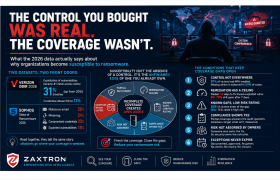
The Control You Bought Was Real. The Coverage Wasn't.
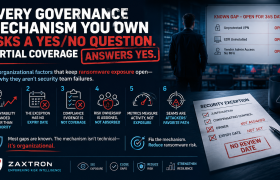
97% of ransomware victims breached through credentials had MFA enabled. Susceptibility isn't a missing control — it's an unfinished one. What the 2026 breach data reveals.
45 Ivan Allen Jr Blvd NW
Atlanta, GA 30308
+1 (888) 808-7330
General: [email protected]
Sales: [email protected]
Support: [email protected]
97% of ransomware victims breached through credentials had MFA enabled. Susceptibility isn't a missing control — it's an unfinished one. What the 2026 breach data reveals.
Boards, auditors, and insurers ask yes/no questions. Partial coverage answers yes. Six organizational factors that keep known ransomware gaps open — and what actually closes them.
Akira's eight named CVEs, decoded: why severity scores misprice them, why patching SonicWall didn't stop the group, and where defenders should focus detection effort instead.
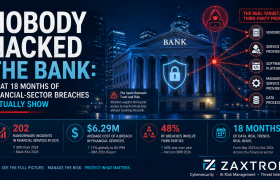
Financial institutions hardened their defenses, so attackers went through vendors and employees instead. Four cases from 2025–2026 show where the sector's real exposure now sits.
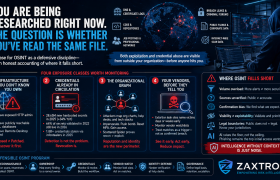
Attackers and defenders read the same public sources — but only one side looks. What 2026 breach data says about OSINT's real defensive value and limits.
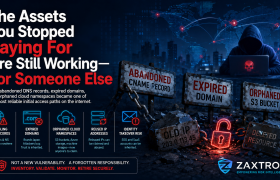
Abandoned DNS records, expired domains, and orphaned cloud namespaces are being industrialized as attack infrastructure. What the evidence shows, and how organizations reduce the exposure.
Cookie preferences